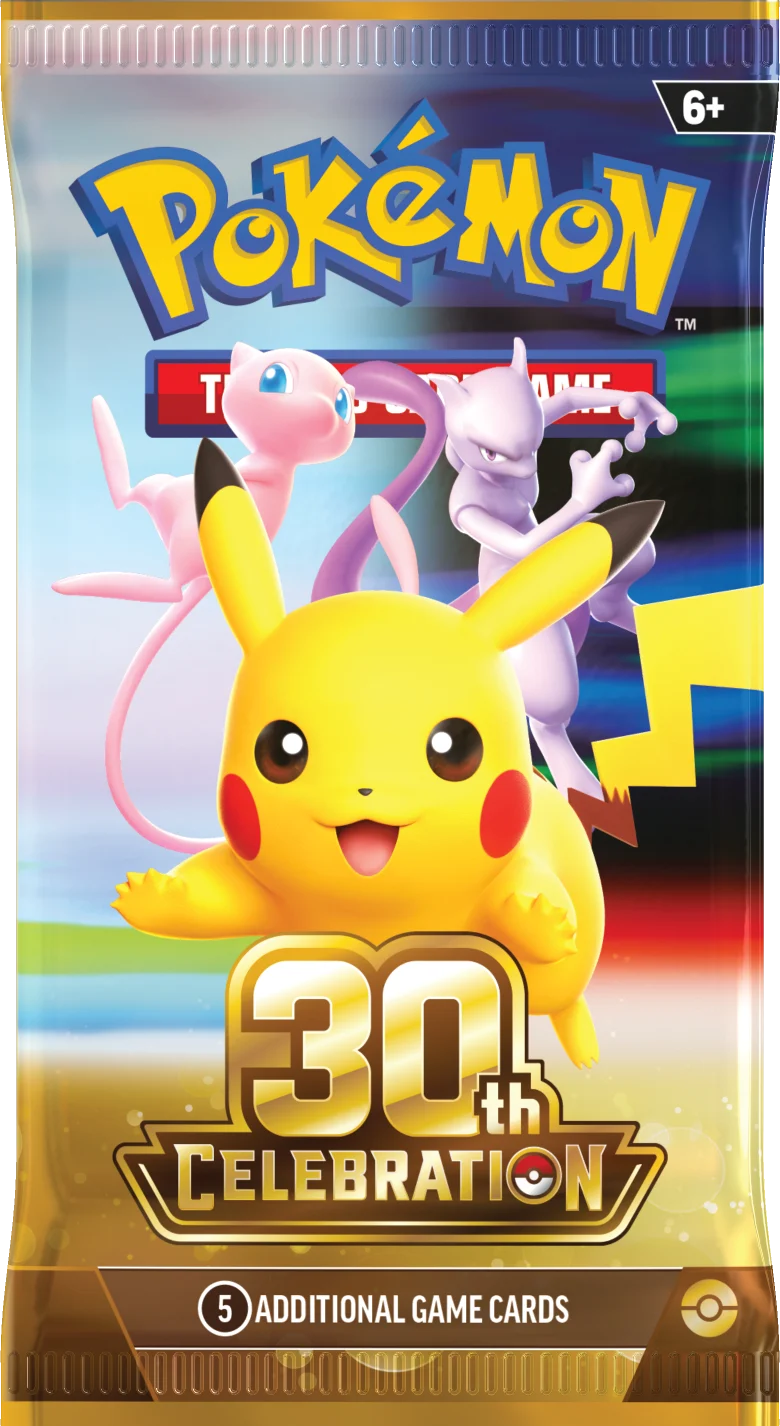
Imagine a generation’s sticker album, chess set, tiny art gallery, playground currency, and personal mythology—all fitting inside a backpack. That is the simplest way to understand the Pokémon Trading Card Game.
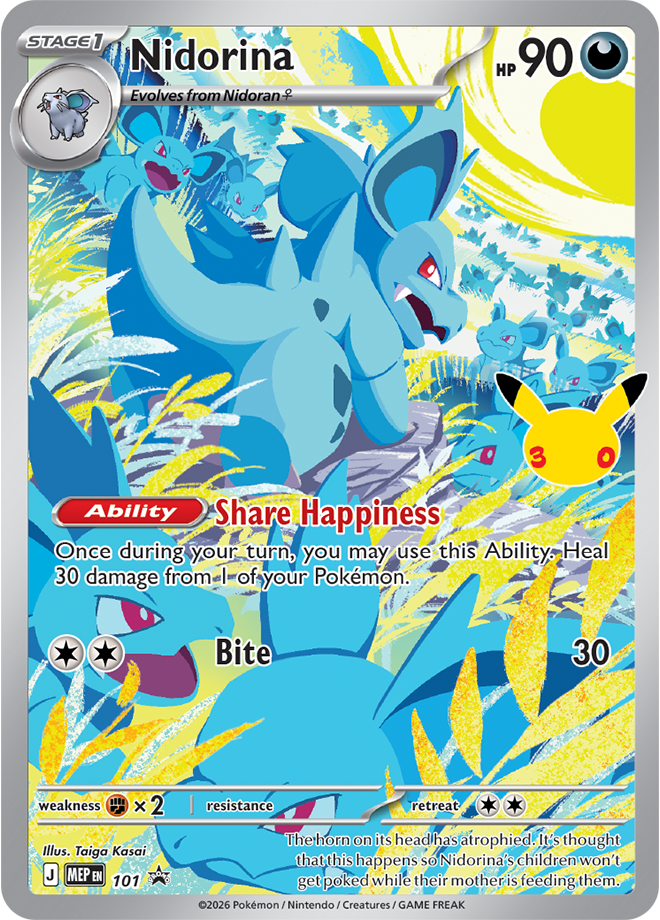
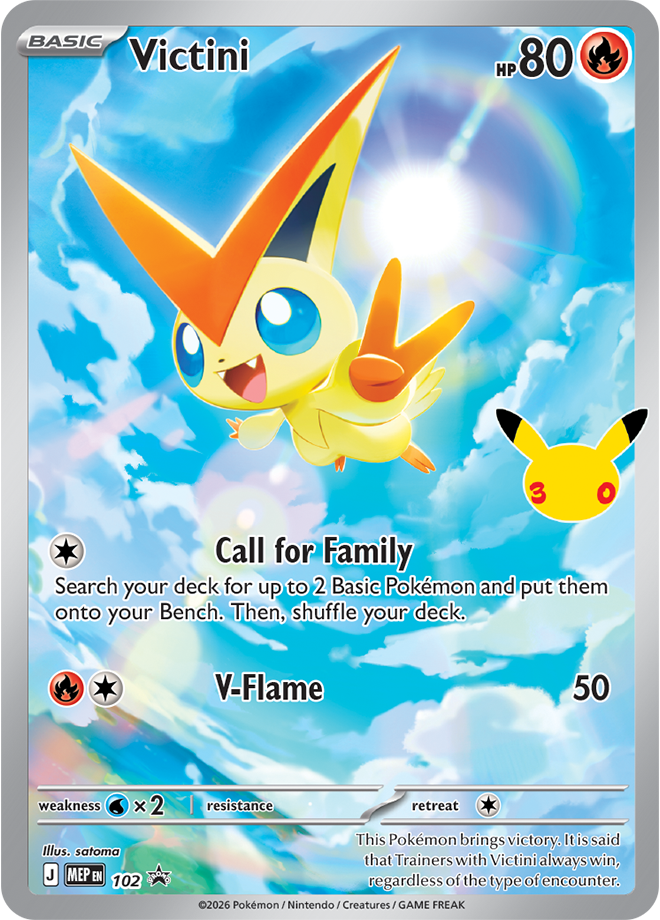
A card can be played competitively, traded socially, admired as illustration, graded as an object, or saved because it depicts the creature someone chose when they were eight years old. The same rectangle serves five emotional economies at once.
“The anniversary set works because it does not ask fans to choose between memory and novelty. It sells both in the same pack.”
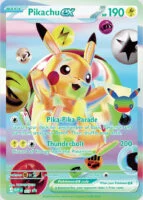
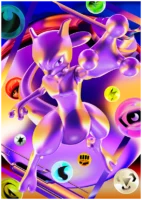
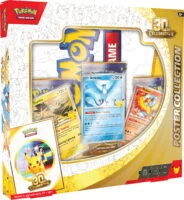
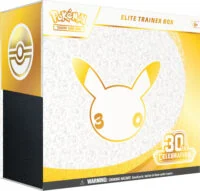
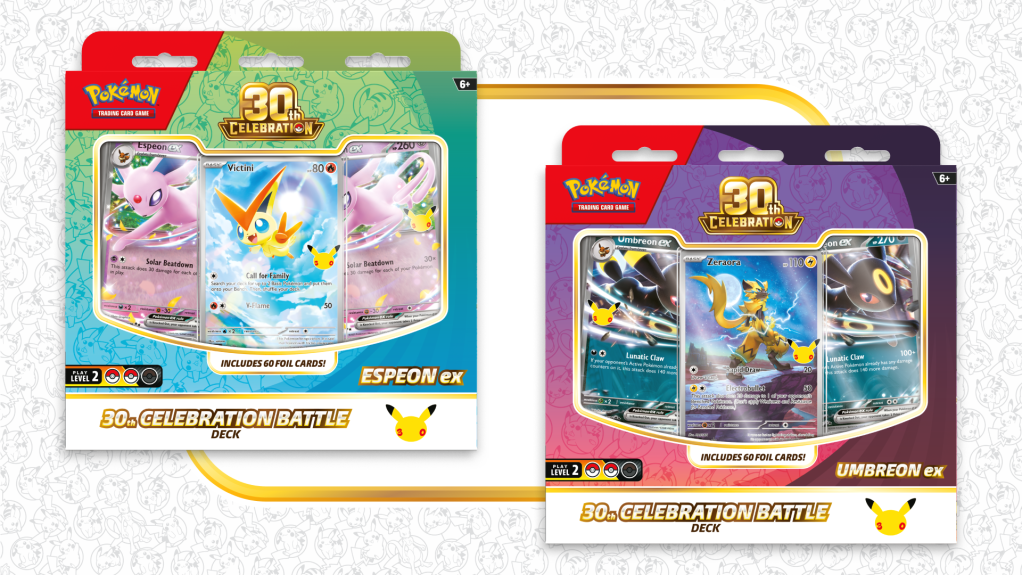
The 30th set leans deliberately into this dual identity. Classic imagery signals continuity. Thirty Pikachu designs make one mascot feel like a visual timeline. Futuristic Rare cards insist that the franchise is not becoming a museum exhibit.